
Every wiring diagram—no matter how simple or complex—is built from a few core elements. Understanding these categories makes it much easier to break down and interpret any system.
- Power Source (Battery)
The origin of electrical energy in the system. - Ground
The return path for electrical current, completing the circuit. - Conductors (Wires)
The paths that carry current between components. - Loads (Lights, Horns, Motors)
Devices that consume electrical power to perform a function. - Control Devices (Switches, Relays)
Components that regulate when and how power flows. - Protection (Fuses, Circuit Breakers)
Devices that protect the system from overcurrent and potential damage.
Once you can identify these six elements in a diagram, you can quickly understand how the system operates.
Common Electrical Wiring Symbols (With Examples)
Power Source (Battery)

What it represents:
- Source of energy
How it appears:
- Box with a plus and minus sign noting the positive and negative ground points
Ground


What it represents:
- The ground symbol represents the reference point that completes the circuit and allows current to return to the power source.
How it appears:
- Often shown as stacked horizontal lines getting shorter
Wire Symbol (conductor)

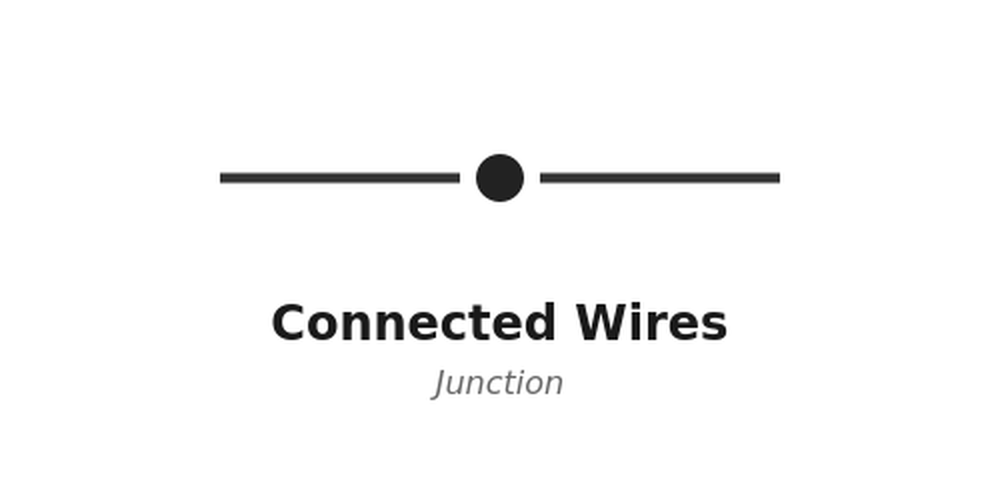

What it represents:
- A conductor carrying current
How it appears:
- Straight line
- Junction = dot
- Crossing without dot = no connection
Del City product examples:
Switch Symbol (control device)
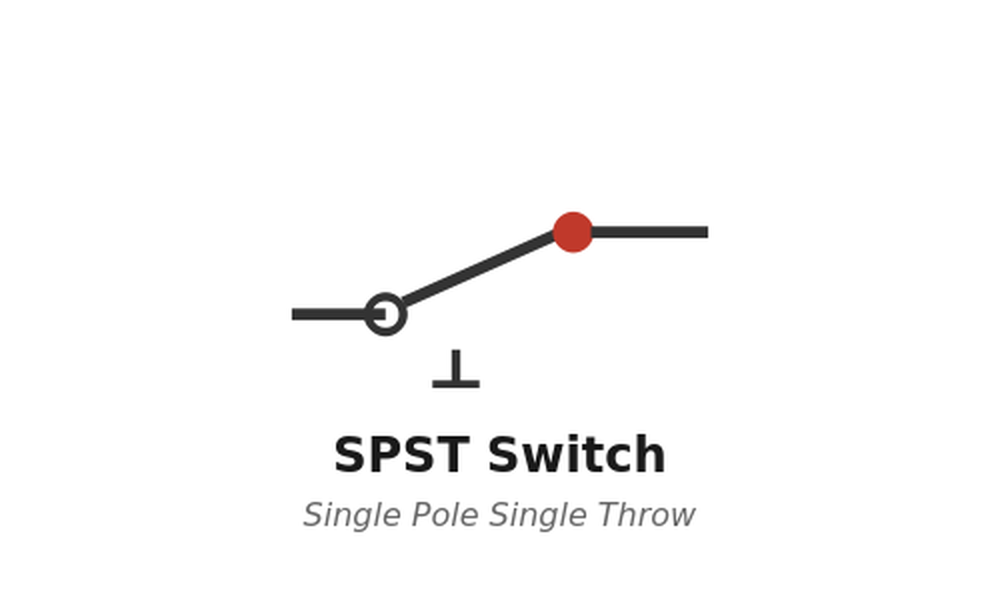

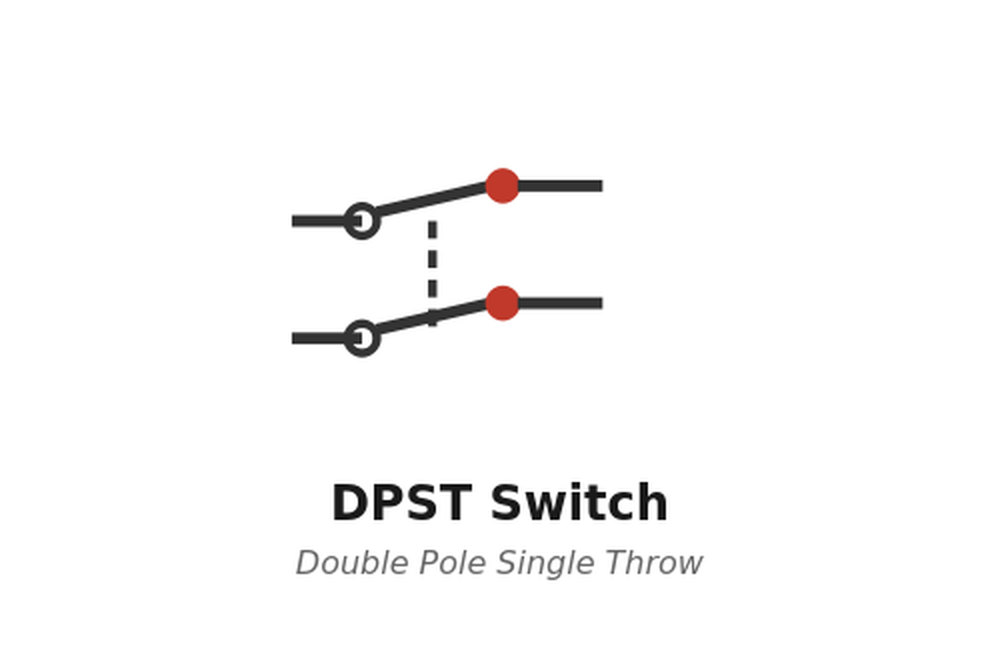

What it represents:
- Opens or closes a circuit
Actuation Types:
- SPST (Single Pull, Single Throw)
- SPDT (Single Pull, Double Throw)
- DPST (Double Pull, Single Throw)
- DPDT (Double Pull, Double Throw)
- On-Off, On-Off-On
- Momentary ( )
Switch Style:
Key Insight:
Often drawn as a break in a line with a movable contact
Relay Symbol (control device)

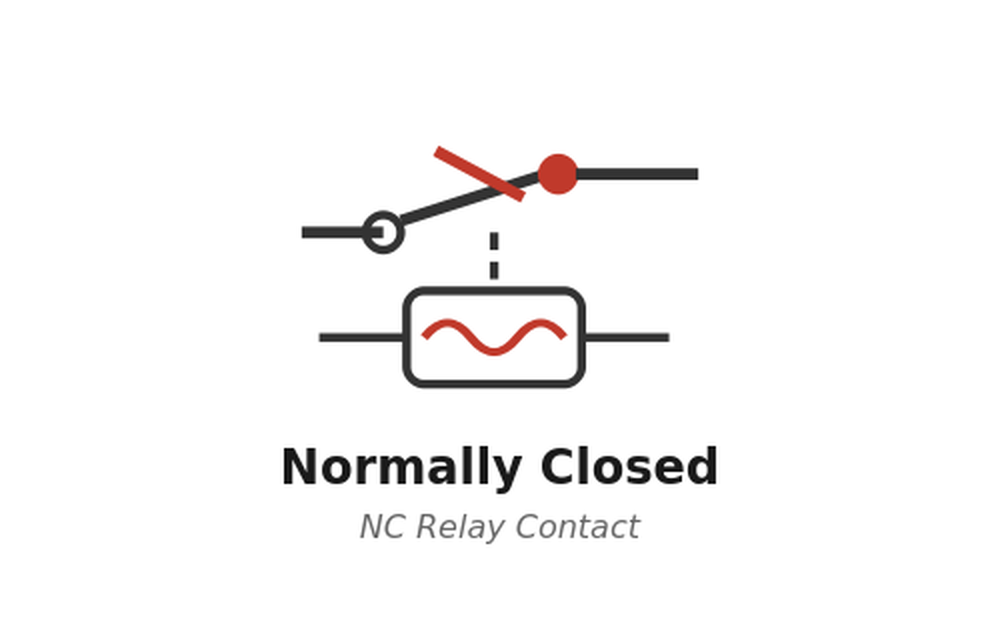


What it represents:
- Electrically controlled switch
How it appears:
- Box (coil) + switching contacts
- Shows NO (normally open) / NC (normally closed)
Why it matters:
- Allows low-current switch to control high-current load
Del City examples:
Light, Horn or Motor Symbol (load)


What it represents:
- A lighting load (lamp or LED)
- Horn
- Motor
- Any other device or component in a circuit that draws current and consumes power to perform a function.
How it appears:
- Light / Lamp → usually a circle with an “X” or filament symbol
- Motor → a circle marked with M
- Heater / Resistor → zig‑zag or resistive symbol
- Horn / Buzzer → speaker-style symbol
- Solenoid / Actuator → coil or actuator symbol
- Loads are often labeled with What they are (e.g., “Headlamp,” “Cooling Fan,” “Fuel Pump”)
- Sometimes labeled with electrical ratings (voltage, current, or power)
Del City examples:
Fuse & Circuit Breaker Symbol (protection)
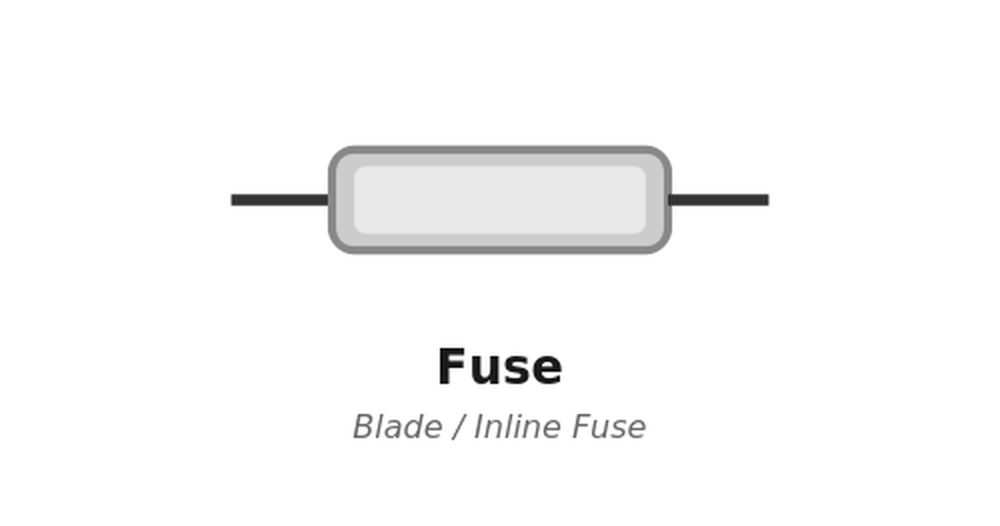

What it represents:
- Overcurrent protection (Fuse)
- Resettable circuit protection (Circuit Breaker
How it appears:
- Rectangle or line break with marking
Why it matters:
- Prevents wiring damage and fire
Difference circuit breaker vs fuse:
- Fuse = one-time use
- Breaker = resettable
Del City examples:
How to Read a Wiring Diagram (Step-by-Step)
Reading a wiring diagram becomes much more manageable when you follow a consistent process:
- Identify the power source (usually the battery)
- Follow the wire path (conductors)
- Locate control devices (switches and relays)
- Identify protection components (fuses or circuit breakers)
- Find the load (light, horn, motor, etc.)
- Trace the path back to ground
This step-by-step approach helps you understand not just what components are present—but how they interact.
Example Wiring Diagram (Light with a switch)

Components in this circuit:
- Battery (power source)
- Switch (control)
- Light (load)
- Ground
Flow:
Battery → Switch → Light → Ground
Example Wiring Diagram (Curcuit breaker with a motor)

Example Wiring Diagram (Relay and horn)

Tips for Reading Wiring Symbols Like a Pro
If you’re new to wiring diagrams, a few best practices can make a big difference:
- Start simple—don’t overthink the symbols
- Look for labels like amperage, wire gauge, and color codes
- Focus on current flow rather than physical placement
- Learn common circuit patterns (like relay-controlled lighting circuits)
- Keep a reference chart nearby for quick lookup
Over time, recognizing symbols becomes second nature.
Final Thoughts
Wiring diagrams may look complex at first glance—but they follow consistent, logical rules. Once you understand the symbols, the entire system becomes much easier to interpret. Use this summary as a guide when looking at wiring diagrams.
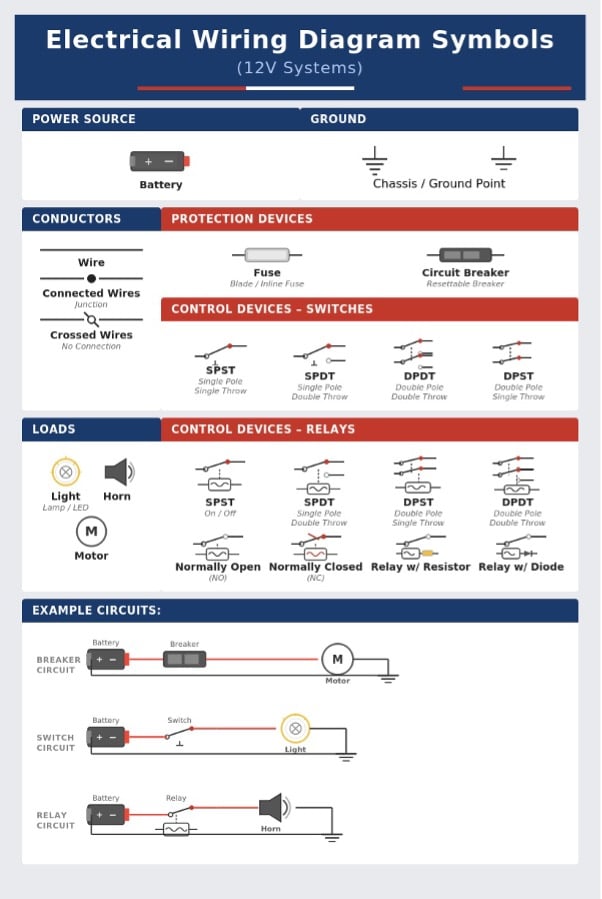
Mastering wiring symbols unlocks:
- Faster troubleshooting
- Cleaner, more efficient installations
- Safer and more reliable electrical systems
If you’re working on a vehicle, boat, trailer, or industrial equipment, this knowledge is a foundational skill that pays off in every project.