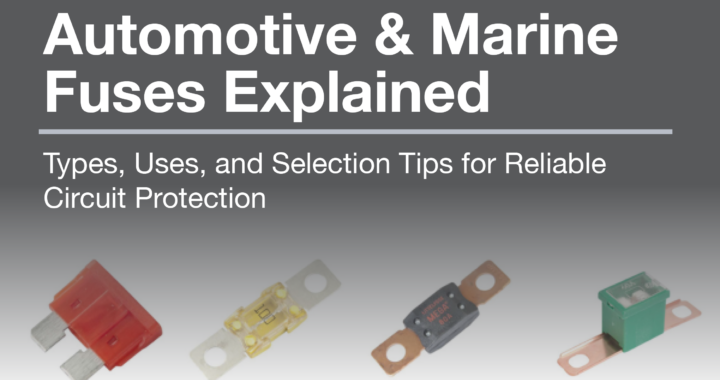
What is a Fuse?
What is a fuse? Simply put, it’s your first line of defense against a short circuit.
A fuse is one of the most important safety devices in any electrical system. Its primary purpose is to protect wiring, equipment, and connected devices from damage caused by excessive current flow.
Inside every fuse is a conductive element engineered to melt when the current exceeds a specified rating. When this happens, the circuit opens, immediately stopping the flow of electricity and preventing overheating, equipment failure, or potentially dangerous electrical fires.
Fuses are typically installed as close to the power source or battery as possible. This placement protects the wiring between the battery and the connected equipment from direct shorts or overload conditions. In larger systems, a primary fuse may be located near the battery, while additional fuse blocks distribute protection throughout branch circuits.
While fuses and circuit breakers serve the same fundamental purpose, they operate differently. See Circuit Breakers vs. Fuses: Choosing the Right Circuit Protection for Your Application.
Types of Fuses
There are several major fuse categories used in automotive, marine, RV, industrial, and powersports applications. The most common include:
- Blade Fuses
- Bolt-Down Fuses
- Cartridge Fuses
- Glass Fuses
Each style is designed to accommodate specific current ranges, space limitations, and installation requirements.
Blade Fuses
Because they are compact, reliable, and easy to install, mechanics frequently choose blade fuses for automotive, marine, and electrical systems. In addition, their two flat metal terminals plug tightly into a fuse holder or fuse block, creating a secure connection ideal for high-vibration environments.
These fuses are color-coded by amperage, allowing for quick identification and proper circuit protection. Many designs include transparent housings or LED indicators that make it easy to identify a blown fuse and speed up troubleshooting.
Available in multiple sizes—such as ATO/ATC, MINI, and MAXI—blade fuses are widely used to protect circuits for lighting, electronics, and accessories. Their versatility and serviceability make them a go-to solution for modern fuse blocks and power distribution systems.
ATO/ATC Fuses
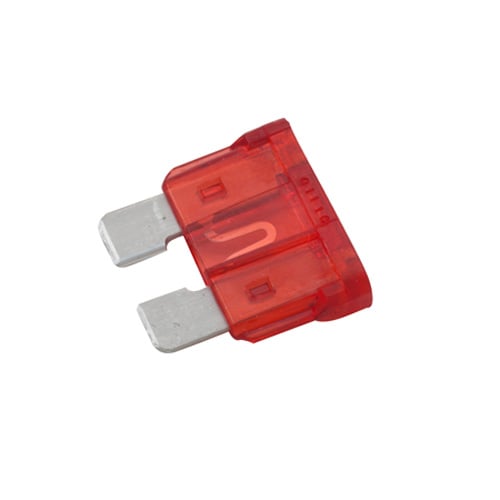
ATO/ATC blade fuses are commonly used to protect branch circuits such as lighting, radios, accessories, and electronic components. Their standardized sizing and wide amperage range allow them to be easily integrated into fuse panels and power distribution modules, supporting fast replacement and simplified maintenance.
Because of their reliability, availability, and ease of use, ATO and ATC fuses remain a go-to solution for automotive circuit protection, especially in applications that require consistent performance, quick serviceability, and cost-effective replacement.
Key Features
- Widely available
- Easy replacement
- Standardized footprint
- Cost-effective protection
- Smart Glow® and indicator versions provide visual confirmation when a fuse has blown.
Ratings
- Amperage range: 1A–40A
- Voltage: Up to 32V DC
- Operating temp: -40°C to 125°C
- Construction: Tin Plated
Common Applications
- Lighting circuits
- Accessory circuits
- Pumps
- Electronics
- General-purpose branch circuits
MINI Fuses
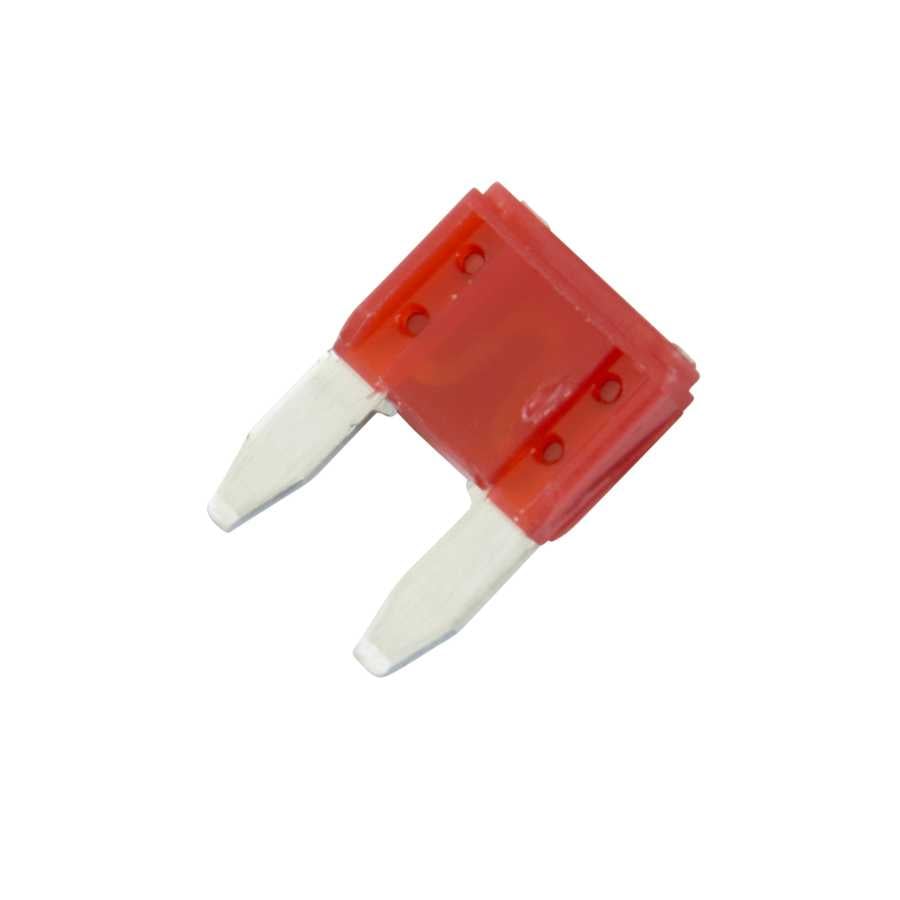
Despite their smaller size, MINI blade fuses maintain the same core functionality as standard blade fuses, providing fast-acting protection against overloads and short circuits. They feature two flat terminals for quick plug-in installation and use industry-standard color coding to indicate amperage ratings, ensuring proper fuse selection and easy identification during maintenance.
Their compact footprint, combined with reliable performance across a wide temperature range, makes them well-suited for demanding automotive, off-road, and marine environments.
Key Features
- Smaller footprint
- Higher circuit density
- Industry-standard color coding
Ratings
- Amperage range: 2A–30A
- Voltage: Up to 32V DC
- Operating temp: -40°C to 125°C
- Construction: Silver plated zinc alloy
Common Applications
- Vehicle fuse panels
- Compact control systems
- Electronic modules
Low-Profile MINI Fuses
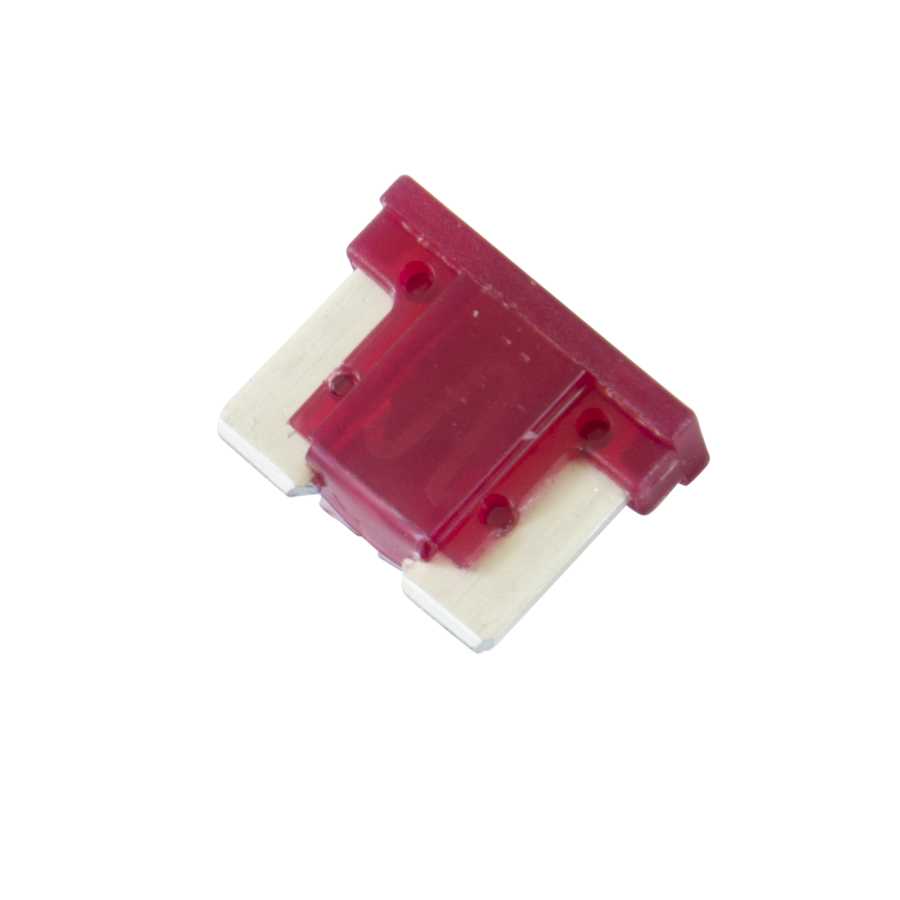
Low-profile MINI fuses are approximately 30% shorter than standard MINI fuses, allowing them to fit in fuse panels with limited vertical clearance while maintaining the same electrical performance.
Ideal For
- Congested fuse panels
- OEM vehicle applications
- Tight installation spaces
MICRO2 Fuses
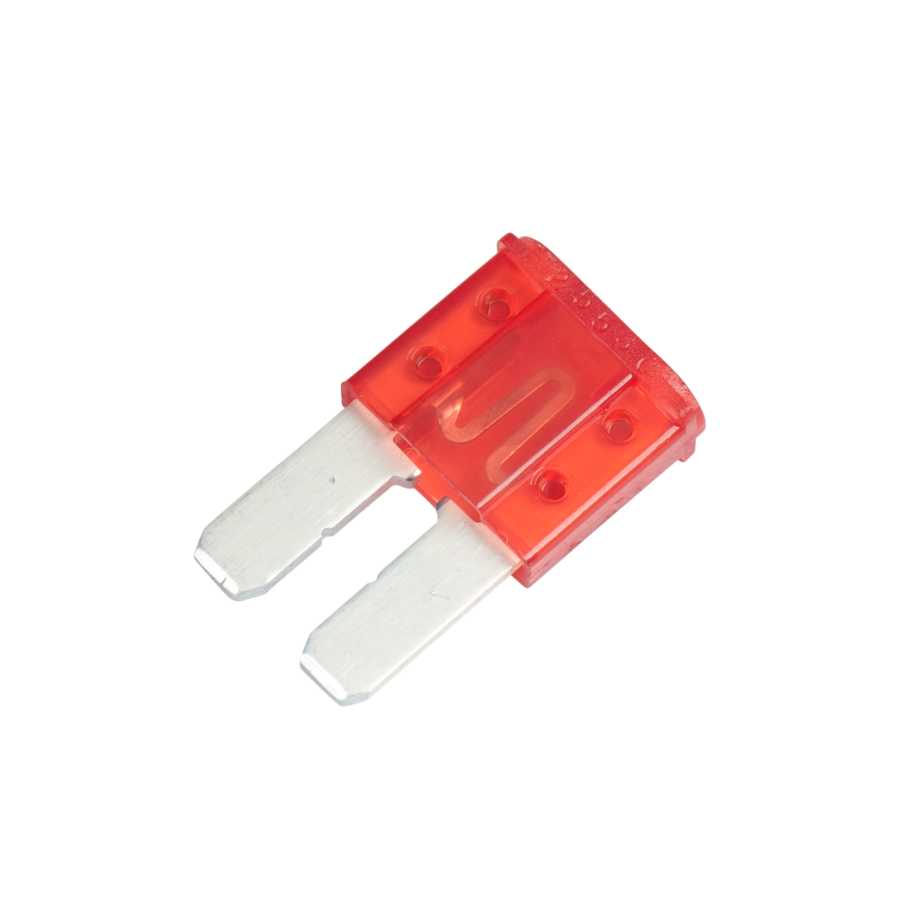
MICRO2 fuses are ultra-compact automotive blade fuses designed for high-density electrical systems where space is extremely limited. Commonly used in newer vehicle platforms and modern power distribution modules, Micro2 fuses allow more circuits to be integrated into smaller fuse panels without sacrificing protection performance. Their reduced footprint helps manufacturers optimize packaging while maintaining reliable overcurrent protection for critical electronic systems.
These are significantly smaller than standard MINI fuses—typically up to 50% more compact—making them ideal for modern vehicle fuse panels that require higher circuit density and reduced space.
Key Features
- Extremely compact footprint
- High-temperature performance
- Reduced weight
- RoHS compliant
- Ideal for applications with limited space
Ratings
- Amperage range: 5A–30A
- Voltage: Up to 32V DC
- Operating temp: -40°C to 125°C
- Construction: Silver-plated zinc alloy terminals
Common Applications
- OEM vehicle fuse panels
- Electronic control modules
- Advanced automotive electrical systems
MICRO3 Fuses
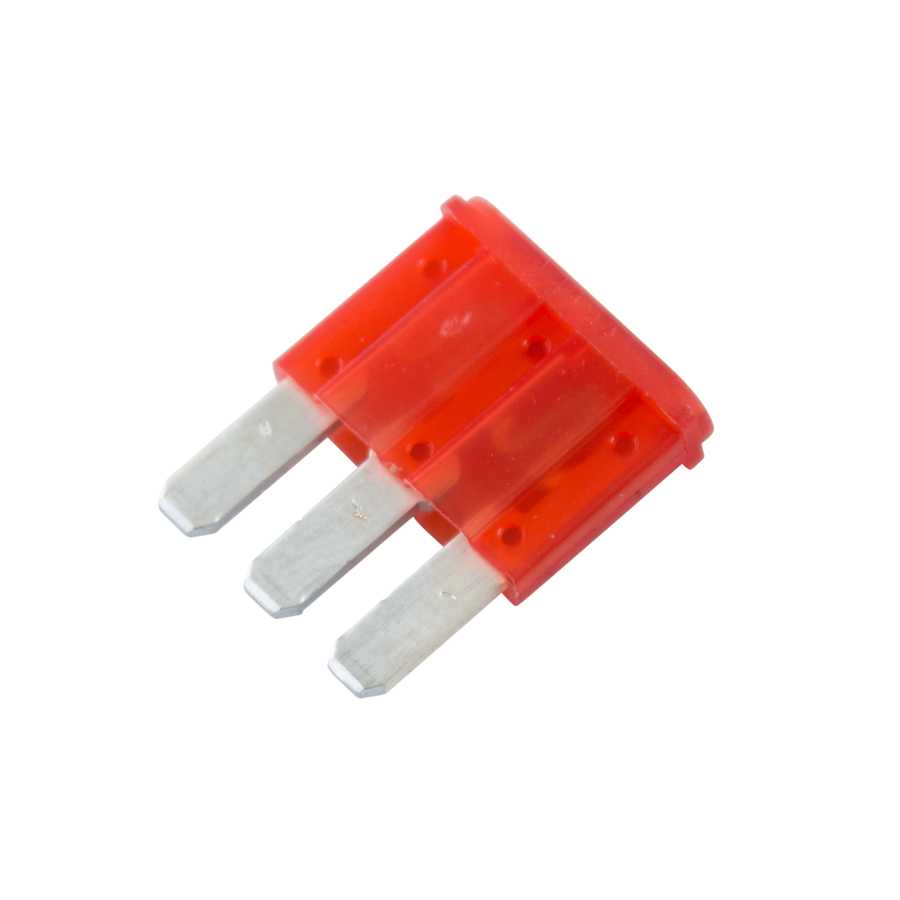
MICRO3 fuses are ultra-compact automotive blade fuses designed for high-density electrical systems that require maximum circuit protection in minimal space. Unlike traditional blade fuses that protect a single circuit, Micro3 fuses are engineered with a three-terminal design that allows them to protect two separate circuits within a single fuse footprint. This dual-circuit capability makes them ideal for modern vehicle fuse panels and power distribution modules where space efficiency and circuit consolidation are critical.
Key Features
- Three-terminal design
- Two independent fuse elements
- Shared common terminal
- Increased circuit density
- Reduced fuse panel space requirements
Ratings
- Amperage range: 5A–30A
- Voltage: Up to 32V DC
- Interrupting rating: 1000A @ 32V DC
- Operating temp: -40°C to 125°C
Common Applications
- Compact OEM fuse panels and power distribution modules
- High-density automotive electrial systems
- Applications requiring multiple protected circuits in a single footprint
- Modern vehicle electronics and control systems
MAXI Fuses

Unlike smaller blade fuses, MAXI fuses are engineered with enhanced performance features such as time-delay characteristics, which help prevent nuisance blowing during temporary current surges. They are rated up to 32V DC and operate across a wide temperature range, making them well suited for under-hood environments and other demanding conditions. With durable materials like silver-plated terminals and high-strength housings, MAXI fuses provide dependable protection for high-load circuits while supporting long-term reliability in automotive, marine, and industrial applications.
Key Features
- High-amperage capacity
- Large blade-style design
- Time-delay performance
- Designed for 12Va nd 24V automotive and heavy-duty systems
Ratings
- Amperage range: 20-100A
- Voltage: Up to 32V DC
- Interrupting Ratings: 1000A @ 32V DC
- Operating Temperature Range: -40°C to +125°C
- Terminals: Ag plated (Silver Plated)
Common Applications
- Cooling fans
- Power distribution
- High-output accessories
- Charging systems
Blade Fuse Comparison
| Fuse Type | Amp Range | Relative Size | Common Applications |
|---|---|---|---|
| ATO/ATC | 1A-40A | Standard | Marine and automotive circuits |
| MINI | 2A–30A | Small | Vehicle fuse panels |
| MICRO2 | 5A – 30A | Smallest | Modern vehicle electronics |
| MICRO3 | 5A – 15A per circuit | Very Small | Dual circuit protection |
| MAXI | 20A – 100A | Large | High-current accessories |
Bolt-Down Fuses
When current demands exceed the capabilities of blade fuses, bolt-down fuses become the preferred solution. Specifically, their secure bolted connections provide excellent conductivity and vibration resistance, which significantly reduces the risk of failure from heavy vibrations.
MEGA® Fuses
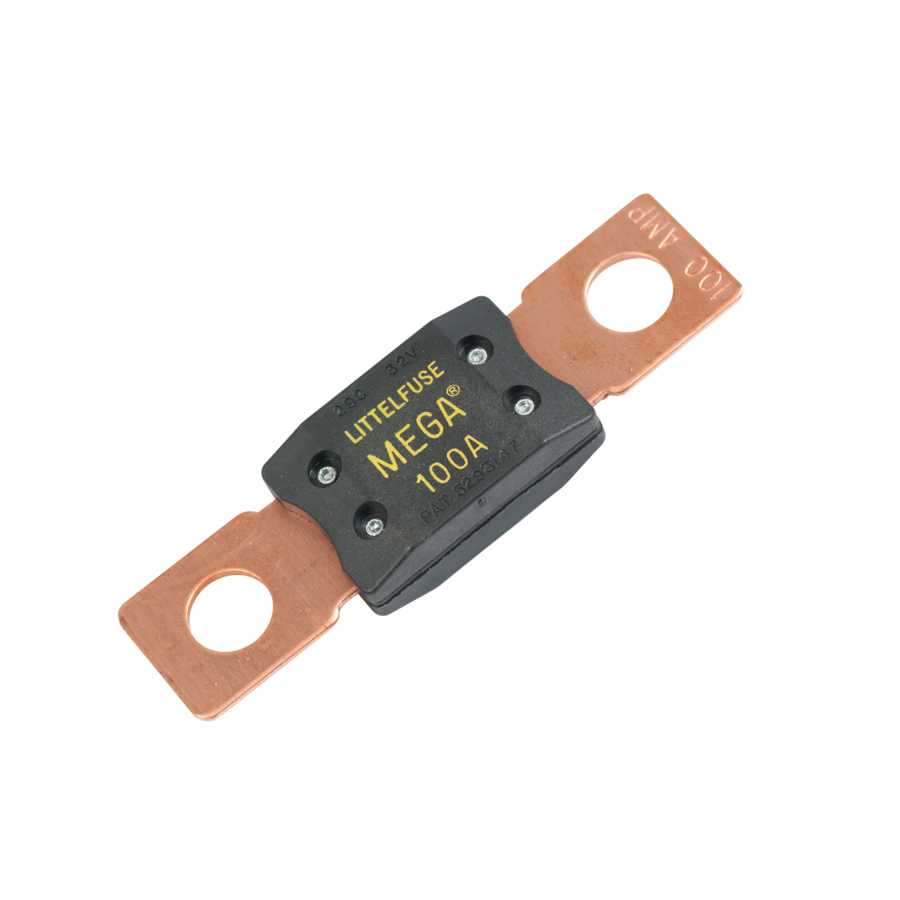
MEGA fuses are high-amperage bolt-down fuses designed for primary circuit protection in demanding automotive, marine, and industrial electrical systems. With typical ratings ranging from 100A to 500A, MEGA fuses are built to protect heavy-duty circuits such as battery banks, alternator outputs, inverters, and main power distribution feeds. Their robust construction and bolt-on mounting system provide a secure, low-resistance connection, making them ideal for applications where reliability and consistent current flow are critical.
Key Features
- High interrupt capacity
- Industry-standard footprint
- Reliable battery protection
- BF2 indicator versions include transparent housings for quick inspection
Ratings
- Amperage range: 80 – 500A
- Voltage: up to 32V DC
- Interrupting Ratings: 2000A @ 32V DC
- Operating Temperature Range: -40°C to +125°C
- Terminals: Copper
Common Applications
- Battery banks
- Alternator outputs
- Inverters
- High-current distribution
MIDI® Fuses
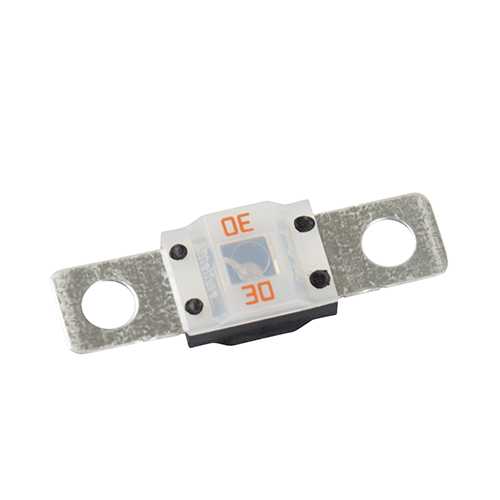
MIDI fuses are compact bolt-down fuses designed for medium- to high-current circuit protection, bridging the gap between MAXI blade fuses and high-amperage MEGA fuses. With typical ratings ranging from 30A to 300A, MIDI fuses are commonly used in automotive, marine, and power distribution systems where higher current capacity is required but space is still a consideration. Their bolted connection design provides a secure, low-resistance electrical path, making them ideal for applications such as auxiliary battery systems, power distribution blocks, and supply lines for high-demand accessories. Engineered for reliable performance, MIDI fuses offer a compact footprint, corrosion-resistant contacts, and consistent overcurrent protection, making them a cost-effective solution for protecting critical circuits in demanding electrical environments.
Key Features
- Compact size
- Corrosion-resistant contacts
- Cost-effective protection
Ratings
- Amperage range: 30 – 200A
- Voltage: up to 32V DC
- Interrupting Ratings: 1000A @ 32 VDC
- Operating Temperature Range: -40°C to +125°C
- Terminals: Tin plated Copper
Common Applications
- Marine systems
- Forklifts
- Renewable energy systems
- High-current inductive loads
ZCASE® Fuses
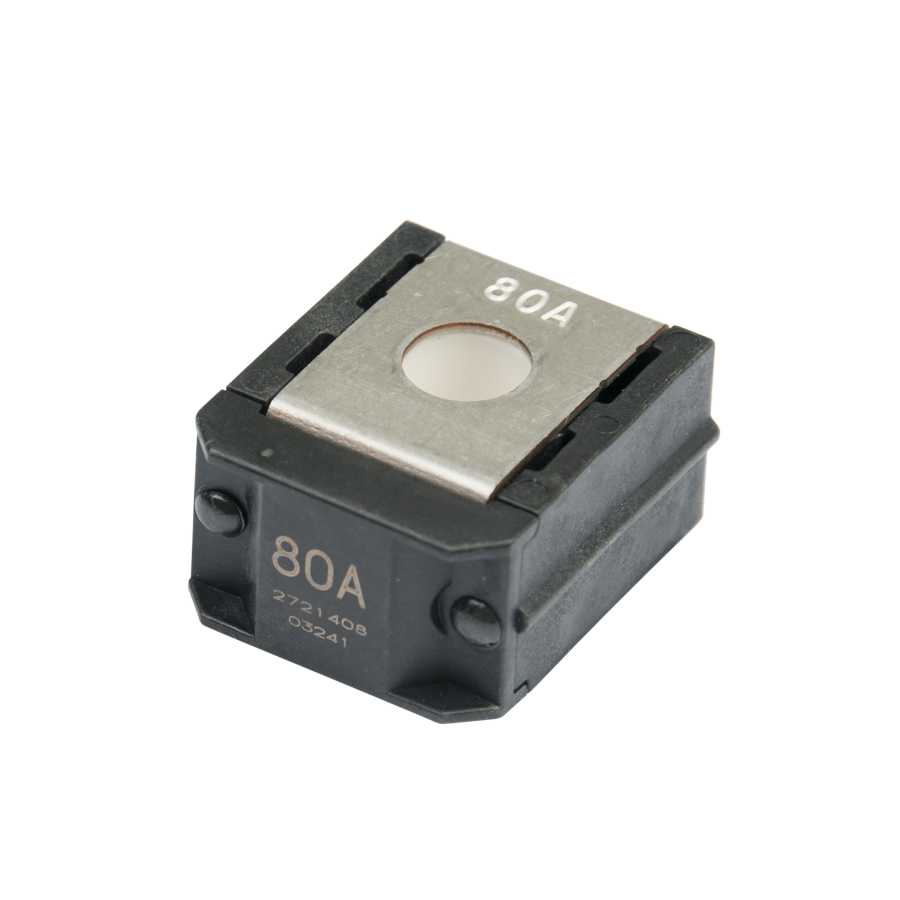
Built for durability and performance, ZCASE fuses offer high current capacity and are commonly used in critical systems such as battery protection, OEM power distribution, and heavy-duty electrical applications. Their robust construction ensures reliable operation under vibration, temperature extremes, and high-load conditions, while their compact form factor supports efficient system design in modern vehicles and equipment. By combining high-current protection with space-saving installation, ZCASE fuses provide an effective solution for advanced electrical systems that demand both performance and packaging efficiency.
Key Features
- Compact footprint
- Battery-terminal mounting capability
- High current capacity
Ratings
- Amperage range: 40-250A
- Voltage: up to 32V DC
- Interrupting Ratings: 2000A @ 32V DC
- Operating Temperature Range: -40°C to +125°C
- Terminals: Tin Plated Copper
Common Applications
- Battery protection
- OEM power distribution
- Cars/SUVs
- Trucks/Offroad vehicles
- Buses
Marine Rated Battery Fuses (MRBF)
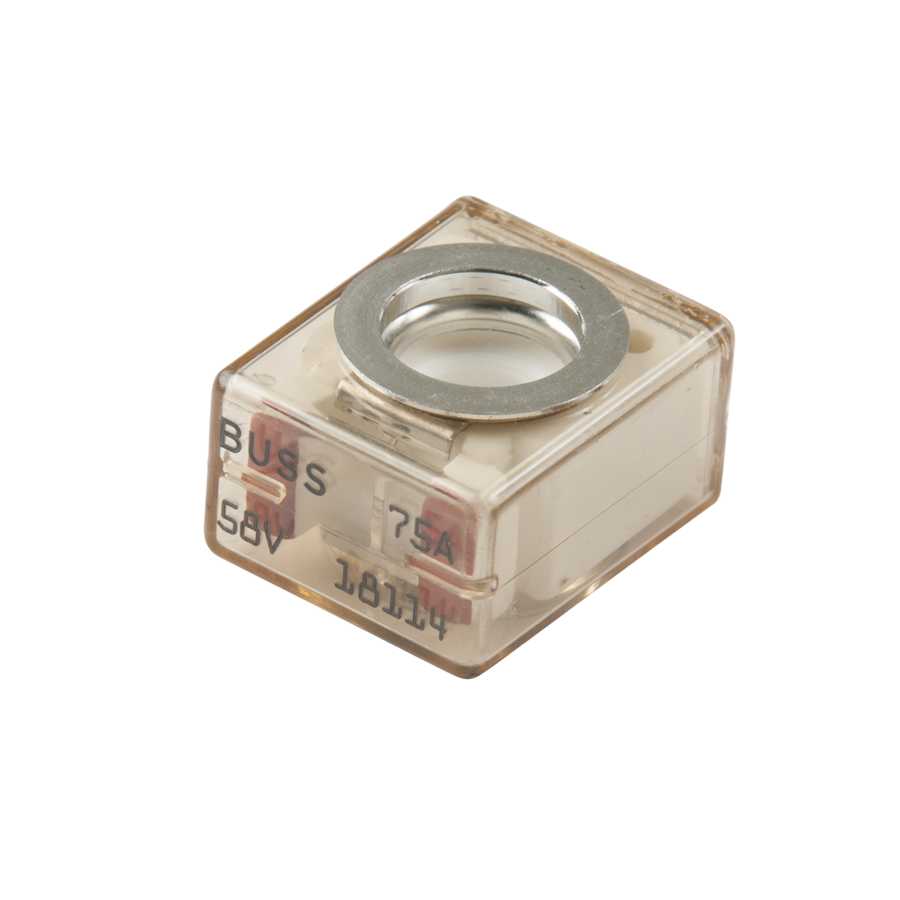
MRBF fuses are built for demanding environments, offering high current capacity (30A–300A range depending on application) and robust construction to withstand vibration, moisture, and temperature extremes. Their compact, terminal-mounted design minimizes wiring complexity and saves space compared to traditional inline fuse setups, while maintaining a secure, low-resistance connection. Commonly used in marine electrical systems and battery installations requiring reliable, high-current protection, MRBF fuses provide a dependable solution for safeguarding critical power circuits in harsh operating conditions.
Key Features
- Direct battery terminal mounting
- Compact design
- Inspection window
- ABYC-compliant battery protection
Ratings
- Amperage range: 30-300A
- Voltage: up to 58V DC
- Interrupting Ratings: 10,000A @ 14VDC; 5000A @ 32VDC; 2000A @ 58VDC
- Operating Temperature Range: -40°C to +125°C
- Terminals: Tin Plated
Common Applications
- Alternator circuits
- Start motor protection
- House battery banks
- Accessory feeds
Class T Fuses
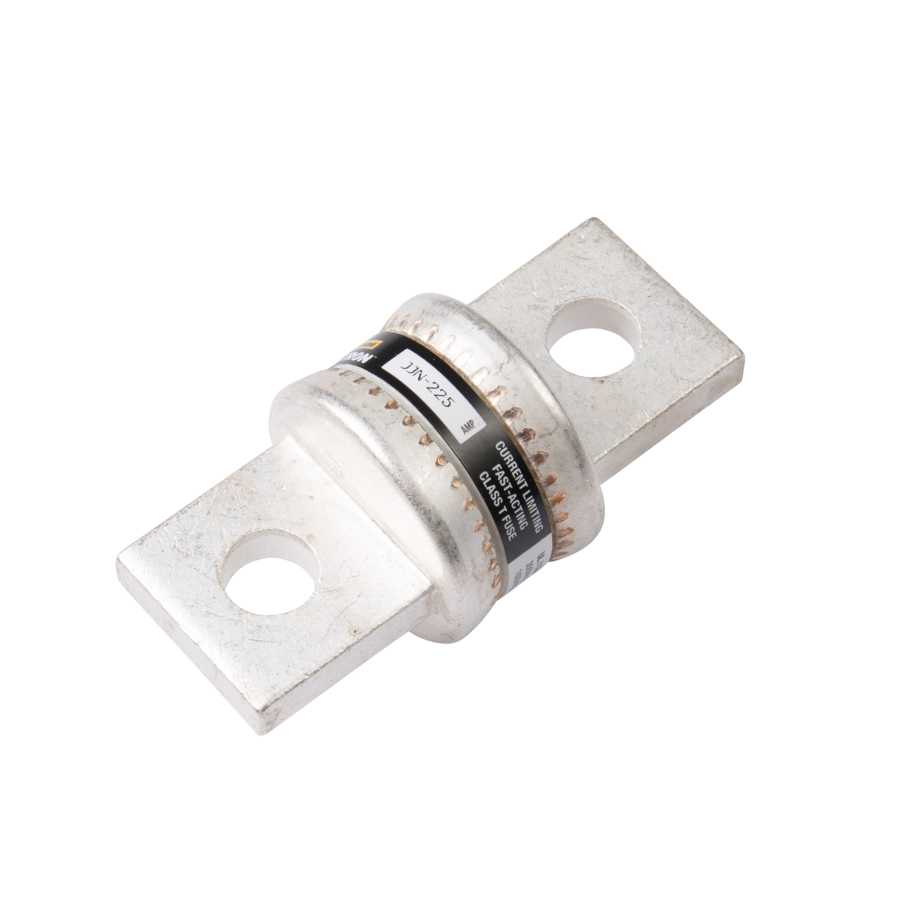
Class T fuses are high-performance, bolt-down fuses engineered for critical high-current applications requiring fast-acting protection and high interrupting capacity. Commonly used in marine, industrial, and renewable energy systems, Class T fuses are designed to protect sensitive equipment such as battery banks, inverters, and power distribution systems from severe fault conditions. They are known for their ability to respond rapidly to overcurrent events while maintaining a compact footprint compared to other high-amperage fuse types. With high voltage ratings and exceptional interrupting capabilities, Class T fuses provide reliable protection in applications where electrical safety and system uptime are essential.
Key Features
- Extremely high interrupt ratings
- Fast fault clearing
- Enhanced short-circuit protection
Ratings
- Amperage range: 110-400A
- Voltage: up to 160V DC
- Interrupting Ratings: 20,000A @ 160VDC
- Terminals: Tin Plated
Common Applications
- Inverters
- Lithium battery systems
- Shore power systems
- Load centers
ANL Fuses
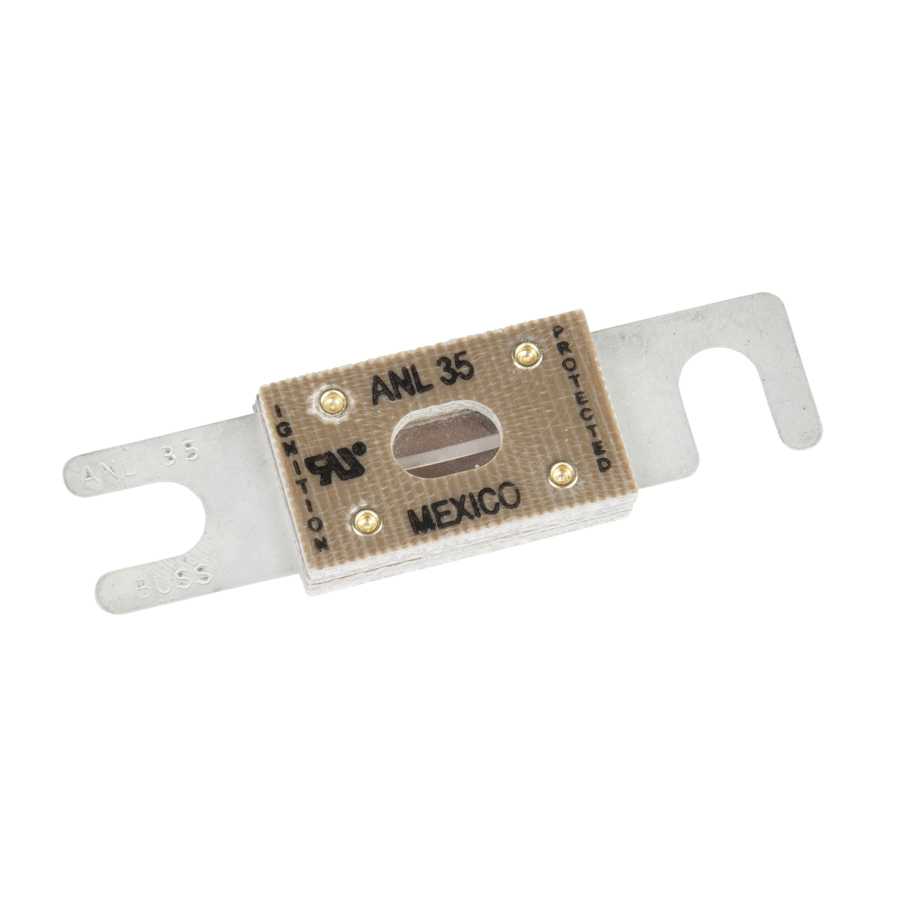
ANL fuses are high-amperage bolt-down fuses designed for medium- to high-current circuit protection, commonly used in marine, automotive, and industrial power distribution systems. Known for their time-delay characteristics, ANL fuses are particularly well suited for applications with temporary current surges, such as motors, pumps, and other inductive loads. This makes them an ideal choice for systems where inrush current is expected but sustained overcurrent protection is still required to prevent damage to wiring and equipment.
Key Features
- Time-delay protection
- Visible blown-fuse indicator
- Silver-plated contacts
Ratings
- Amperage range: 35-750A
- Voltage: up to 32V DC
- Interrupting Ratings: 6000A @ 32V DC
- Operating Temperature Range: -40°C to +125°C
- Terminals: Silver plating
Common Applications
- Marine systems
- Forklifts
- Renewable energy systems
- High-current inductive loads
Bolt-Down Fuse Comparison
| Fuse Type | Amp Range | Primary Use |
|---|---|---|
| MEGA | 100A–500A | Battery and alternator protection |
| MIDI | 30A–300A | Medium-current distribution |
| ZCASE | 40A–600A | Compact high-current protection |
| MRBF | 30A–300A | Battery terminal protection |
| Class T | 110A–400A | High fault-current battery systems |
| ANL | 35A–750A | Time-delay, inductive loads |
Cartridge Fuses
Unlike blade fuses, cartridge fuses feature enclosed terminals that insert into matching fuse holders. This design helps reduce terminal wear and improve connection reliability.
JCASE Fuses
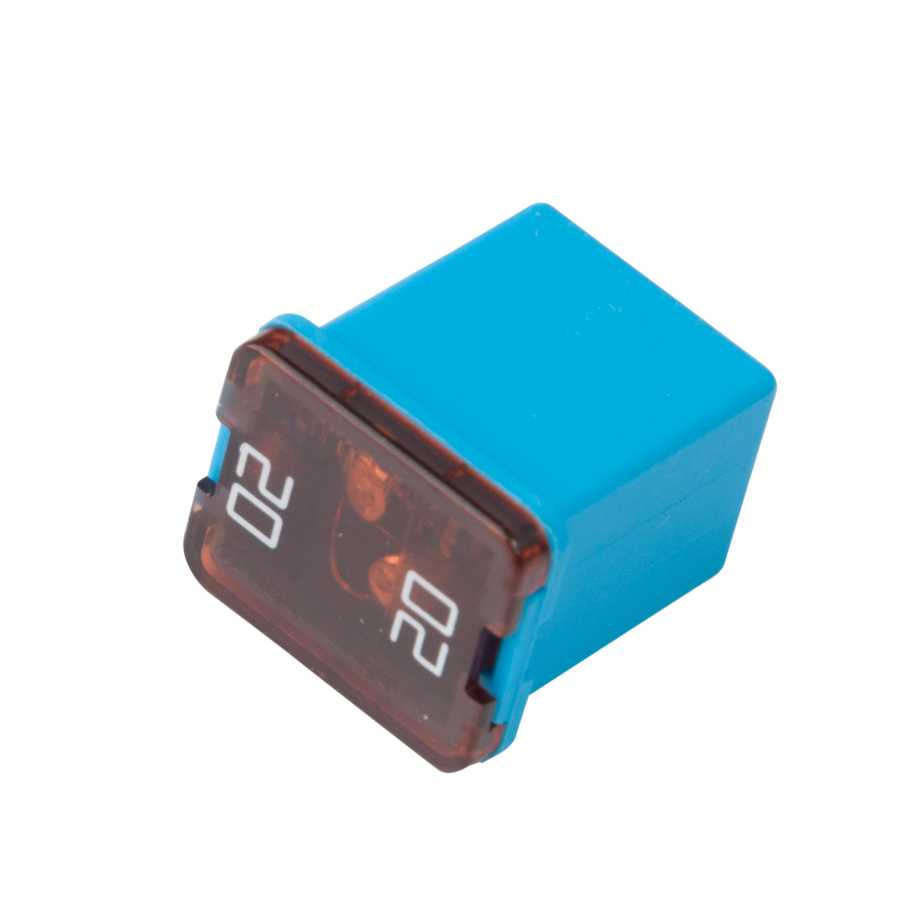
JCASE fuses are compact cartridge-style fuses designed for medium- to high-current automotive circuit protection, offering a balance between space efficiency and higher amperage capacity. Unlike traditional blade fuses, JCASE fuses use female terminals, which help reduce wear on fuse box contacts and improve long-term reliability in high-demand applications. They are typically rated up to 58V DC and operate across a wide temperature range (-40°C to 125°C), making them well suited for modern vehicles and harsh electrical environments
Key Features
- Compact footprint
- High-current capability
- Reliable performance
Ratings
- Amperage range: 35-750A
- Voltage: up to 58V DC
- Interrupting Ratings: 1000 A @ 58 V DC
- Operating Temperature Range: -40°C to +125°C
Common Applications
- Cars/SUVs
- Trucks
- Buses
- Offroad vehicles
MCASE Fuses
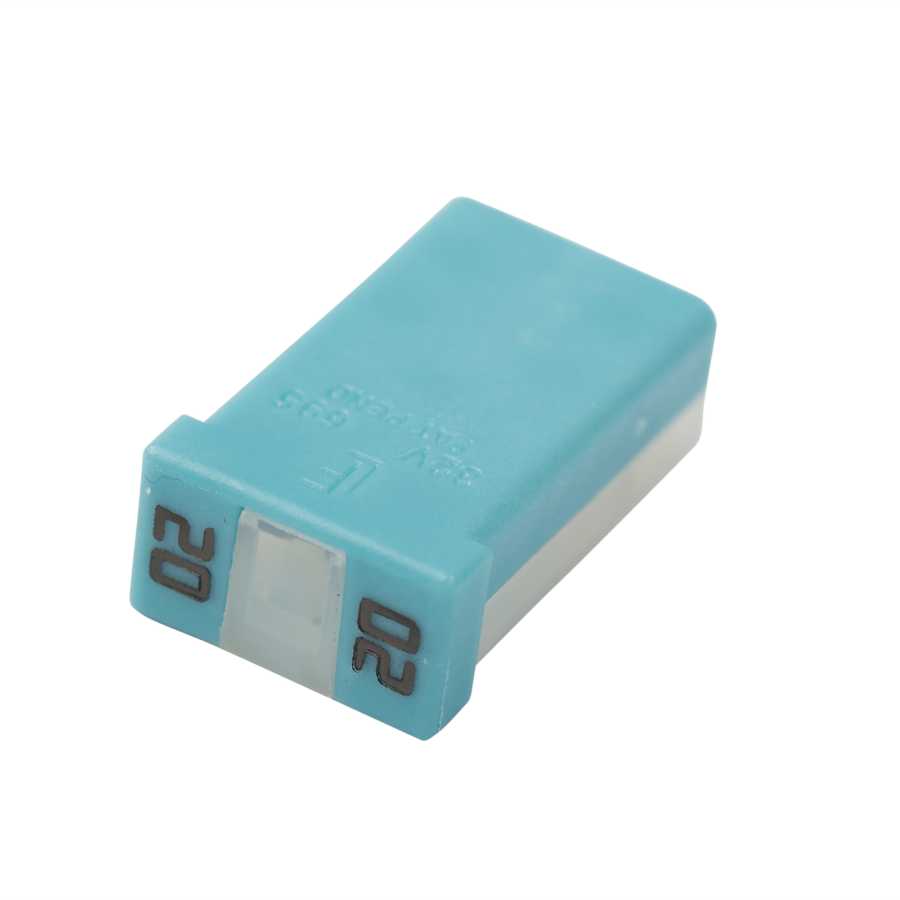
MCASE fuses are sealed cartridge-style automotive fuses designed for compact, high-density fuse panels in modern vehicle electrical systems. Featuring a robust housing and female terminal design, MCASE fuses provide a secure connection while reducing wear on fuse block contacts over time. They are typically rated up to 32V DC and operate across a wide temperature range of -40°C to 125°C, making them well suited for demanding automotive environments where heat, vibration, and space constraints are common.
Key Features
- Female Terminals
- Miniaturized footprint
- Time delayed fuse
Ratings
- Amperage range: 15-40A
- Voltage: up to 32V DC
- Interrupting Ratings: 1000A @ 32 VDC
- Operating Temperature Range: -40°C to +125°C
Common Applications
- Cars/SUVs
- Trucks
- Buses
- Offroad vehicles
PAL Fuses
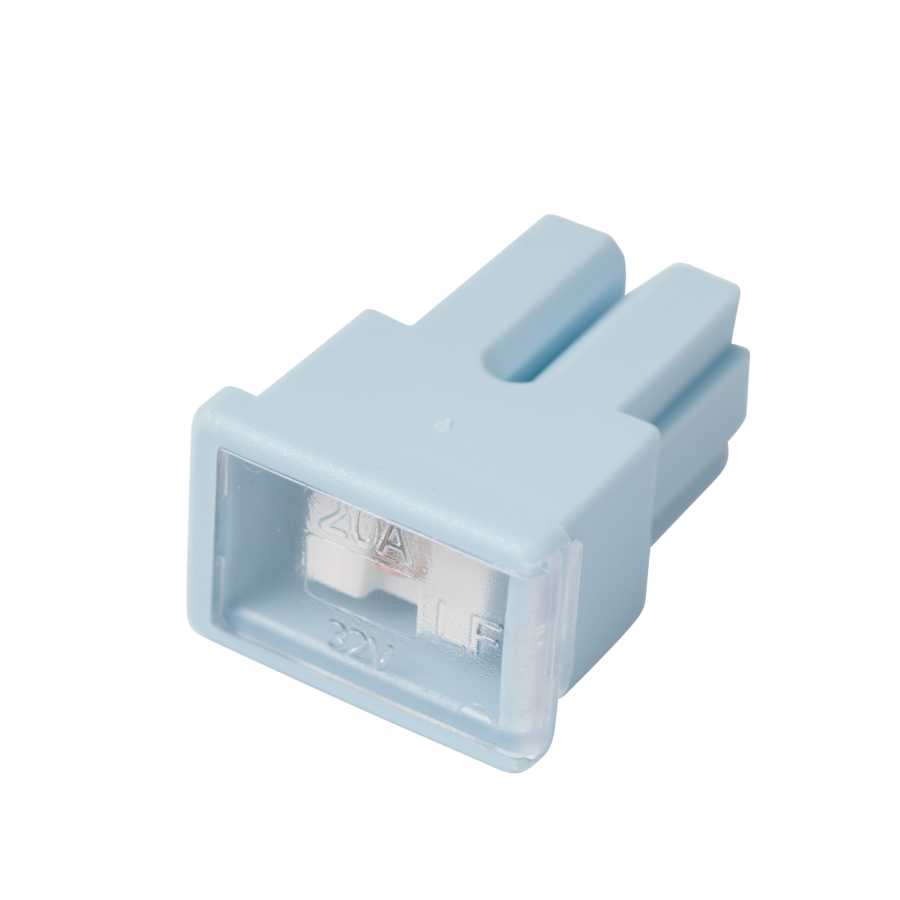
PAL fuses are high-current automotive fuses designed for reliable circuit protection in demanding electrical systems, typically used in applications that require more robust performance than standard blade fuses. Often categorized alongside other cartridge and bolt‑mounted fuse types such as JCASE and MCASE, PAL fuses are commonly used in Japanese and domestic automotive and heavy-duty electrical systems where secure connections and consistent power distribution are critical.
Key Features
- High-current circuit protection
- Secure installation
- Durable and reliable
Ratings
- Amperage range: 20-120A
- Voltage: up to 32V DC
Common Applications
- Japanese and domestic vehicles
- High-load accessory circuits
- Heavy-duty equipment
Glass Fuses
AGC
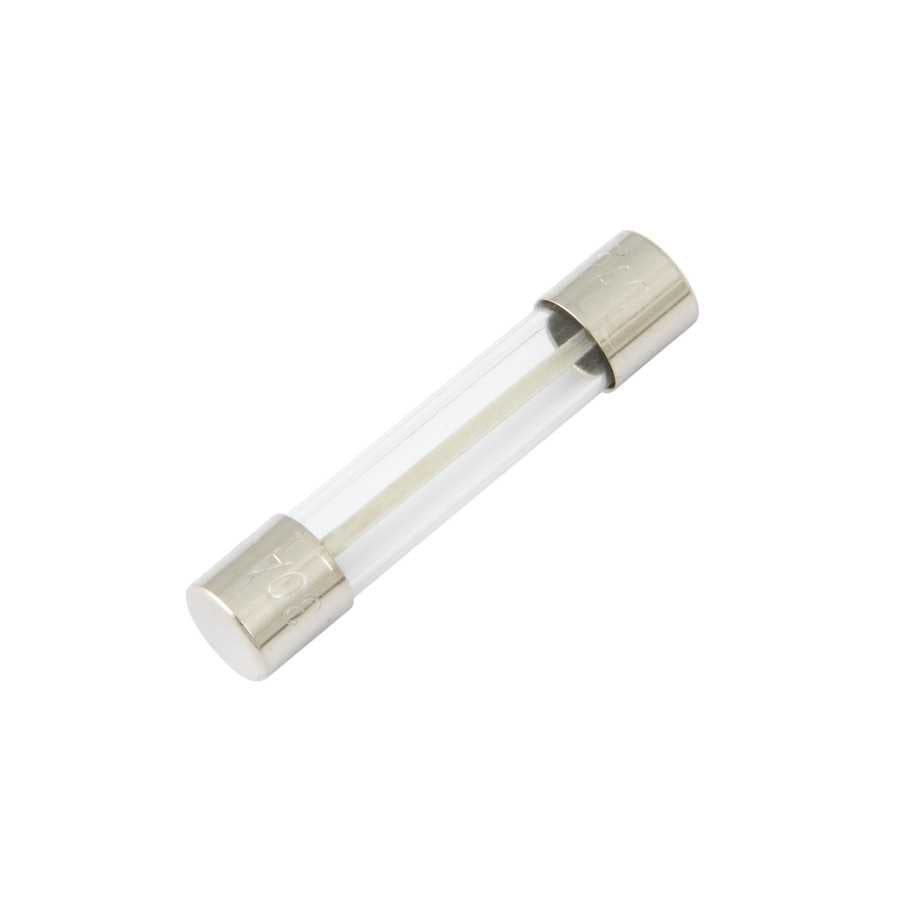
Glass fuses are a traditional and widely used circuit protection solution, commonly found in automotive, marine, and electronic applications where simple, reliable protection is required. These fuses feature a transparent glass tube housing, allowing for quick visual identification of a blown fuse by inspecting the internal element. Among the most common types are AGC and MDL glass fuses, both of which share a standard cylindrical design but serve different performance needs. AGC fuses are fast-acting glass fuses often used in automotive circuits and legacy equipment, providing immediate protection against overloads in applications such as vintage vehicles, small accessories, and aftermarket electronics.
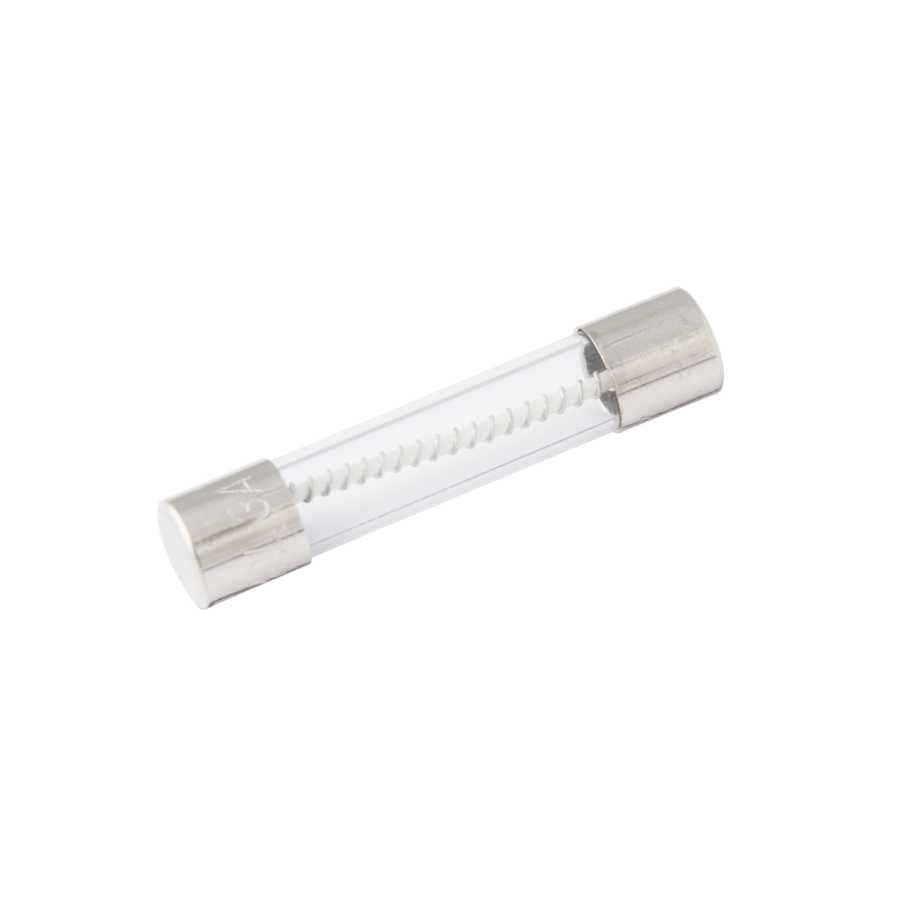
MDL
In contrast, MDL fuses are slow-blow (time-delay) glass fuses designed to handle temporary current surges without opening the circuit unnecessarily. This makes them ideal for applications with inrush current, such as motors, transformers, and equipment that briefly draws higher startup current. Both AGC and MDL fuses are typically rated for low-voltage DC systems (up to ~32V DC) and operate across a wide temperature range, offering cost-effective and dependable circuit protection. Together, they provide a versatile glass fuse solution for both fast-response protection and controlled delay performance in a wide range of electrical systems.
Key Features
- AGC is fast-acting
- MDL is slow-blow
- Glass tube for inspection
- Widely used
- Cost-effective
Ratings
- Amperage range: 3-35A
- Voltage: up to 32V DC
Common Applications
- Vintage and legacy automotive systems
- Aftermarket electronics and accessories
- Low-current branch circuits and small devices
| Fuse Type | Style | Typical Amp Range | Voltage Rating | Key Features | Common Applications |
|---|---|---|---|---|---|
| JCASE | Cartridge (female terminals) | 20A–120A | Up to 32V–58V DC | Time-delay performance, low voltage drop, reduced fuse box wear | HVAC systems, ABS, power seats, high-load automotive circuits |
| MCASE | Sealed cartridge | 15A–40A | Up to 32V DC | Compact design, high interrupt rating (~1000A), sealed construction | Power distribution modules, electronic control circuits |
| PAL | Cartridge / bolt-mounted | 20A-120A | 12V/24V systems (typical use context) | Durable design, secure mounting, high-load protection | Power distribution, vehicle electrical systems, high current accessories |
| AGC | Glass (fast-acting) | 3A-35A | Up to 32V DC | Fast-acting, transparent housing for easy inspection | Vintage vehicles, aftermarket electronics, low-current circuits |
| MDL | Glass (slow-blow) | 3A-30A | Up to 32V DC / 125–250V AC | Time-delay design for inrush current, durable glass construction | Motors, transformers, inductive loads |
Choosing the Right Fuse
When selecting a fuse, several factors should be evaluated to ensure proper circuit protection and reliable system performance. Choosing the correct fuse involves more than simply matching an amperage rating. The fuse must be compatible with the electrical system’s voltage, the expected load characteristics, the available installation space, and environmental conditions in which it will operate. Taking the time to properly assess these requirements can help prevent nuisance fuse failures, equipment drainage, and potential safety hazards. Consider the following key factors when selecting a fuse.
- Current Rating – The fuse should be sized to protect the wire, not just the connected device.
- Voltage Rating – The fuse voltage rating must meet or exceed the system voltage.
- Interrupt Rating – Higher fault-current systems require fuses capable of safely interrupting larger short-circuit currents.
- Environment – Marine applications should utilize corrosion-resistant components and ignition-protected products where required.
- Physical Space – Compact installations may benefit from Micro, MIDI, MRBF, or ZCASE fuse solutions.
- Load Characteristics – Motors, pumps, and inductive loads often benefit from time-delay fuse designs such as ANL or MCASE.
Why Buy Fuses from Del City?
Whether you’re maintaining a fleet vehicle, wiring a custom truck, upgrading a marine electrical system, or building industrial equipment, Del City offers a comprehensive selection of circuit protection products to help keep your electrical systems safe and reliable.
Del City Advantages
- Extensive selection of automotive, marine, heavy-duty, and industrial fuse styles
- Fuse holders and fuse blocks designed to match every major fuse type
- Indicator fuse options for faster troubleshooting and maintenance
- Marine-grade circuit protection solutions from Blue Sea Systems
- Bulk packaging and assortment kits for professional installers and fleet operators
- Technical support from knowledgeable electrical specialists
- Fast shipping on in-stock products
From Micro2 blade fuses to Class T battery protection, Del City provides the products and expertise needed to properly protect virtually any low-voltage electrical system.
Final Thoughts
From small electronic circuits protected by Micro2 fuses to high-capacity battery banks safeguarded by Class T or MEGA fuses, selecting the correct fuse is essential for safety, reliability, and system performance.
The right fuse protects wiring, minimizes downtime, and helps prevent costly damage to electrical equipment. By understanding the various fuse styles, amp ratings, and application requirements, you can confidently choose the best protection solution for your automotive, marine, RV, or industrial electrical system.